Crafting Authority: The Power of Military Logo Vector Design
There is an immediate, visceral reaction to military iconography. Whether it’s the sharp geometry of a star, the stoic spread of an eagle’s wings, or the protective curve of a shield, these symbols command attention. For designers, entrepreneurs, and hobbyists, tapping into this visual language isn't just about aesthetics—it's about borrowing the psychology of strength, reliability, and precision. If you are working on a project that needs to convey unwavering authority or classic heritage, understanding the nuances of Military Logo Vector Design is your first step toward creating visuals that truly resonate.
The appeal of these designs lies in their versatility. Unlike complex illustrations that lose clarity when resized, vector graphics are mathematical constructs. They can be scaled from a tiny chest patch on a uniform to a massive billboard without losing a single pixel of quality. This makes them indispensable assets for modern branding, where a logo must live comfortably on a smartphone screen, a website header, a business card, and embroidered merchandise. The clean lines inherent in military vector art—often utilizing silhouettes, chevrons, and stripes—ensure that the message is never lost in translation, regardless of the medium.
Beyond the Battlefield: Practical Applications for Modern Branding
While the imagery draws from the armed forces, the application of these design elements extends far beyond government agencies. In the world of small business and entrepreneurship, the "military aesthetic" signals dependability. A security firm, a logistics company, or even a high-performance sports brand can leverage these graphics to build instant trust with their audience. When a customer sees a bold, structured emblem, they subconsciously associate it with order and efficiency.
Consider the specific elements available in a robust vector pack. You aren't just getting a single logo; you are gaining access to a toolkit of visual communication.
- Product Packaging: For artisanal goods or rugged outdoor gear, incorporating vintage military textures or retro insignias into your label design can create a feeling of established heritage.
- Digital Presence: Social media graphics require high impact in split seconds. A bold, abstract military icon can serve as a powerful profile picture or a recognizable watermark for your content.
- Merchandise: The connection between military art and fashion is timeless. These vectors are perfect for t-shirt designs, hats, and bags. The "isolated" nature of vector elements allows for easy color changes—swapping standard green for neon pink or electric blue creates a striking contrast between the symbol's traditional form and modern streetwear trends.
- Editorial & Web Layouts: If you are designing a blog or a magazine layout focusing on technology, history, or fitness, these icons work beautifully as decorative elements, bullet points, or section dividers to break up text and maintain visual consistency.
Decoding the Visual Language
To use military vectors effectively, it helps to understand the vocabulary. These aren't random shapes; they are coded with meaning. As a designer or content creator, matching the right symbol to your brand’s personality is crucial.
The Eagle is perhaps the most potent symbol. It represents freedom, a high-level overview, and sharp vision. It’s an excellent choice for a business that wants to position itself as a leader in its field. In contrast, the Shield suggests protection and defense. This is the go-to icon for security services, insurance companies, or cybersecurity firms. It tells the client, "You are safe with us."
Then there are the structural elements: Stars, Stripes, and Chevrons. Stars are universal symbols of quality and achievement, often used in rating systems or to denote excellence. Chevrons, those V-shaped stripes, are dynamic and directional. They suggest rank and progression, making them ideal for sports teams or corporate structures where "moving up" is a key theme.
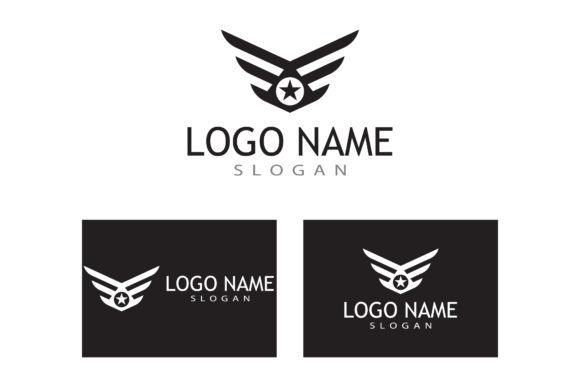
Don't overlook the Wing or Aviation elements. These lend a sense of speed and aspiration. If you are branding a courier service or a tech startup focused on "air" or cloud technology, a stylized wing combined with a modern sans-serif font can bridge the gap between vintage military heritage and futuristic innovation.
Typography and Pairing: The "Font" of Authority
A vector graphic rarely stands alone; it needs a typographic partner. The font you choose will dictate whether your design feels like a serious government seal or a playful retro game graphic.
The Stencil & Sans-Serif Approach: The most natural pairing for military logos is a heavy, sans-serif font. These fonts mimic the look of stencils used on crates and uniforms. They are blocky, bold, and highly legible. Use these for headlines and logotypes where you need to scream "strength." However, be careful not to make the text too heavy if the background is complex; readability is paramount.
The Serif & Vintage Mix: If your goal is a "vintage" or "heritage" feel—think of a classic American diner or a retro clothing brand—pair your military emblem with a strong serif font. Serifs have "feet" and tails that evoke a sense of history and tradition. This combination works exceptionally well for invitations, certificates, or high-end packaging.
Script & Handwritten Contrast: For a more personalized touch, such as a boutique brand or a creative agency, you can juxtapose a rigid military icon with a flowing script or handwritten font. This creates visual tension. The hard lines of the military badge soften the script, while the script adds a human touch to the rigid insignia. This is a popular trend in wedding stationery and lifestyle branding.
Technical Considerations for Flawless Execution
When sourcing these design assets, quality matters. A true vector file (typically .AI, .EPS, or .SVG) allows you to manipulate every anchor point. You can isolate a single soldier silhouette from a complex scene, or extract a star from a badge to use as a standalone icon.
Color management is another critical factor. Military design often relies on a specific palette: olive drab, khaki, navy blue, and red. However, modern design trends are pushing these boundaries. We are seeing "military" vectors rendered in neon gradients or minimalist monochrome (black and white). When working with vectors, ensure your files are set up in CMYK for print (vital for physical badges or merchandise) and RGB for digital use to ensure those greens and blues pop on screen.
Licensing is the final, crucial step. If you are using these assets for a client's logo, a product you intend to sell, or marketing materials, you must ensure you have a commercial license. "Free" resources often come with restrictions that can cause legal headaches down the road. A premium font or vector pack usually provides the peace of mind that you can monetize your creation without infringement issues.
Building a Brand Identity That Lasts
Ultimately, incorporating military vector design into your work is about building a brand identity that feels solid. In a digital landscape that can often feel ephemeral and chaotic, the structured nature of military art provides an anchor. It communicates that you are serious about your craft, whether you are designing a logo for a local security force, creating graphics for a history blog, or launching a new line of athletic wear.
Don't be afraid to abstract these elements. A modern design approach might take the "stripes" of a flag and turn them into a dynamic background pattern for a website. It might take the "star" and simplify it into a minimal app icon. The versatility of the vector format means you are the commander of your creative assets. By understanding the history and psychology behind the symbols, and applying them with technical precision, you can create designs that are not just visually striking, but deeply meaningful to your audience.