Auntie Charlotte Font: Your Key to Elegant Embroidery
Finding the perfect typeface for physical products is often much harder than finding one for digital screens. When working with fabric, thread, and textiles, the curves of a letter can mean the difference between a smooth run and a broken needle. If you have ever struggled with digitizing text for your embroidery machine, you know how frustrating it is to spend hours fixing jagged edges or dealing with thread breaks. This is where a dedicated, high-quality digitized font becomes an essential part of your creative toolkit.
The Art of Monogramming and Personalization
There is a timeless appeal to monogrammed linens and personalized gifts. Whether you are a small business owner running an Etsy shop or a hobbyist creating gifts for family, the Auntie Charlotte Font offers a solution that bridges the gap between classic design and modern machine compatibility. This isn't just a standard digital typeface converted into stitches; it is an embroidery-specific design built for the unique demands of needle and thread.
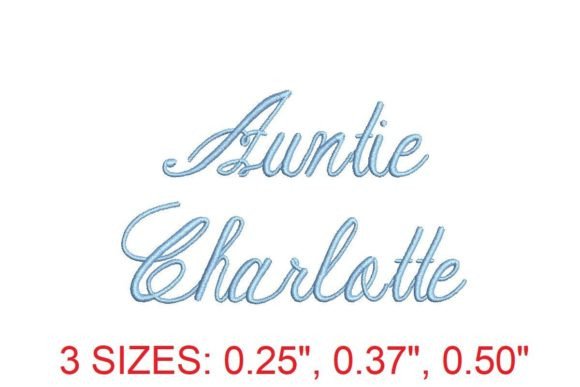
The visual style of Auntie Charlotte is defined by its timeless elegance. It avoids overly complex swashes that might snag on machine feet, yet it retains a sophisticated, high-end look. It is the kind of premium font that elevates a simple baby blanket into a cherished heirloom or turns a standard polo shirt into branded corporate wear. Because it utilizes clean, sophisticated lines, it ensures that your finished product looks professional, regardless of the material you are stitching onto.
Seamless Workflow with PES Compatibility
One of the biggest hurdles in the embroidery business is file management. You might find a beautiful design online, only to realize it requires extensive conversion software to work with your specific hardware. The Auntie Charlotte font set eliminates this friction. It is perfectly compatible with the widely used PES file format, which is the native language for popular machines like Brother and Babylock.
This compatibility means you spend less time troubleshooting software errors and more time creating. For those running a home-based embroidery business, time is money. A seamless workflow allows you to fulfill orders faster and take on more complex projects. Furthermore, because this is a machine embroidery design rather than a standard vector file, the stitch density and underlay have been optimized to prevent puckering on delicate fabrics like silk or pique cotton.
Practical Applications for Modern Brands
Typography is the voice of your brand, and in the physical product world, texture matters. The Auntie Charlotte font is versatile enough to handle a wide range of applications, making it a valuable design asset for various industries.
Consider the following uses for this typeface:
- Corporate Branding: Stitching logos onto staff uniforms, tote bags, or hats creates a cohesive and professional image. A serif font like Auntie Charlotte conveys tradition and reliability.
- Boutique Packaging: If you sell handmade goods, adding a monogrammed ribbon or fabric tag using this font adds a layer of luxury packaging that customers notice.
- Wedding and Event Decor: From napkins to handkerchiefs, personalized touches for events require a font that is legible at small sizes without losing its charm.
- Home Decor: Customizing throw pillows, curtains, or blankets allows you to offer bespoke interior design services.
Unlike digital marketing assets where you might use a sans serif font for screen readability, embroidery requires a typeface with body. Auntie Charlotte fits this niche perfectly, offering the legibility of a display font with the durability required for stitching.
Understanding the Technical Specifications
When investing in embroidery files, transparency regarding dimensions is crucial. You cannot simply "resize" embroidery fonts in the same way you resize a JPEG or PNG without risking the integrity of the stitch file. Shrinking a design too much can cause the stitches to pile up on top of each other, while enlarging it can cause gaps in the fill.
The Auntie Charlotte set addresses this by providing specific size information. Please note that the sizes and stitches information provided in the file summary is based on the letters “A” and “a” in each size. This serves as a helpful benchmark for what is available in the download file. However, because letters have different widths (an "M" is wider than an "I"), the full dimension details of the 156 letters in this set are available in the detailed PDF included with your purchase. Always review this More Sewing Info document before starting a project to ensure your hoop size is adequate.
Tips for Perfect Results
To get the most out of your embroidery software and the Auntie Charlotte font, consider these practical tips for visual consistency and quality control:
- Stabilizer Selection: Even the best digitized font will look messy on an unstable fabric. Always use the correct stabilizer (tear-away, cut-away, or wash-away) based on your fabric's weight and stretch.
- Thread Tension: Ensure your machine is calibrated. A digitized script font or serif font relies on consistent tension to form clean curves.
- Test Sewing: Never stitch a final product without a test run. Use a scrap piece of the same fabric and stabilizer you plan to use for the final item.
- Font Pairing: If you are creating a multi-line design, pair the elegant Auntie Charlotte with a simpler, blocky font for secondary text to ensure readability and hierarchy.
Whether you are a seasoned embroiderer or just starting your journey into creative entrepreneurship, having a reliable, elegant typeface is non-negotiable. The Auntie Charlotte font provides the professional finish required to stand out in a crowded market, ensuring your brand identity